A lone juror stood between a mother who killed her three young children and a verdict that could have set her free. Now NBC is digging through his personal history, and Florida’s governor is crying foul.
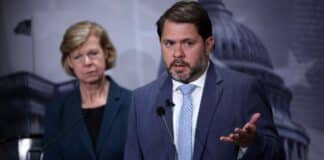
Gov. Ron DeSantis fired back Friday after NBC10 journalist Ryan Kath published a report detailing the holdout juror’s past, including allegations of domestic violence and unpaid rent. The Republican governor didn’t mince words about what he sees as media targeting of a citizen who simply did his civic duty.
“A man objected to allowing a woman to kill her three young kids and get away with it, so NBC is trying to smear that juror, whose identity should be protected. Another low for legacy media,” DeSantis said. “If the juror is being harassed, Florida will provide asylum. I’m sure he’d be welcomed and appreciated.”
The case centers on Lindsay Clancy, who admitted to killing her three children, ages 5, 3, and 8 months old. Twelve jurors were tasked with deciding whether Clancy was criminally responsible for the deaths or whether mental health struggles meant she couldn’t recognize her actions were against the law.
The NBC10 investigation unearthed a restraining order against the juror and reported that in September 2021, he was charged with assaulting his wife. According to the outlet, a police report showed the juror’s teenage nephew called 911, claiming his uncle threw his wife into a dresser. Court records indicated the couple later divorced and the criminal charge was dismissed. The same nephew reportedly obtained a separate restraining order after the juror allegedly assaulted him, according to the report.
NBC10 framed its findings as raising concerns about the vetting process during jury selection for the high-profile triple murder case.
But DeSantis sees something else entirely: a coordinated effort to publicly shame a private citizen for voting his conscience.
The governor’s offer of “asylum” carries no legal weight but sends a clear message about where Florida stands on media treatment of citizens who participate in the justice system. Juror identities are typically protected precisely to shield them from public pressure and retaliation.