France’s World Cup stance took shape this week as Paris publicly rejected calls to boycott the 2026 FIFA World Cup over a controversial U.S.–Greenland “framework” agreement announced by President Trump, emphasizing that sport should remain separate from politics.
Sports Minister Marina Ferrari addressed reporters, saying “As it stands now, there is no desire from the ministry for a boycott of this great competition. Now, I will not anticipate what could happen, but I have also heard voices raised from certain political blocs. I am one who believes in keeping sport separate [from politics]. The World Cup is an extremely important moment for those who love sport.”
Ferrari’s remarks come after far-left French politician Éric Coquerel openly criticized the U.S. and suggested stripping it of World Cup hosting rights, asserting that it was unthinkable to play in a country that “attacks its ‘neighbours,’ threatens to invade Greenland and rides rough shod over international law.”
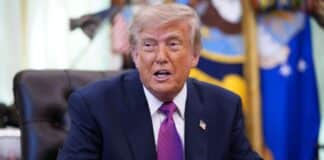
President Trump’s announcement of a “framework of a future deal with respect to Greenland” was shared via Truth Social, where he called the development “a great one for the United States of America, and all NATO Nations.” Despite Trump saying the U.S. will not impose previously threatened tariffs tied to Greenland, European nations remain wary of Washington’s intentions, with broader tensions spilling into diplomatic circles and athletic arenas.
The reported framework follows Trump’s strategic focus on Arctic security and cooperation with NATO allies, though leaders in Denmark and Greenland have maintained that sovereignty is non-negotiable and that no sovereign transfer is in place.
While France holds firm on participation, debate over sports and politics continues as allies weigh the diplomatic fallout from the evolving U.S.–Greenland negotiations.