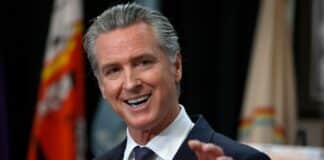
Ana Navarro said Monday that Bad Bunny’s Super Bowl halftime appearance represented a moment of pride and encouragement for many Latino viewers, calling the performance a “micro joy” during what she described as a difficult period.
During an episode of ABC’s The View, Navarro praised the Puerto Rican artist’s rise from working at a grocery store in San Juan to performing on one of the world’s largest entertainment stages. She contrasted his background with what she characterized as President Donald Trump’s upbringing, emphasizing the singer’s self-made path to international fame.
Navarro told the panel that she received messages from viewers who said they were emotional while watching the performance, arguing that the moment carried cultural significance beyond entertainment. She said many in the Latino community felt the show provided visibility and affirmation at a time when immigration enforcement and political rhetoric remain a source of tension.
According to Navarro, the performance’s message was interpreted by some supporters as a reminder that Latino Americans are part of the broader national identity. She framed the moment as an example of how popular culture can create shared experiences that help people cope with broader political and social disagreements.
She also described her own reaction, saying the halftime appearance offered a brief sense of encouragement amid what she characterized as ongoing frustrations over federal immigration policies. Navarro referred to the emotional lift from the performance as a “micro joy” that helped offset what she called a period of “macro sadness.”
Bad Bunny, whose real name is Benito Martínez Ocasio, has previously used public appearances and performances to comment on social issues affecting Puerto Rico and Latino communities. His Super Bowl appearance drew significant attention across social media, with reactions ranging from enthusiastic praise to criticism from political commentators.
The discussion on The View reflects how major cultural events, particularly those featuring high-profile performers, continue to intersect with national political debates. While some viewers celebrated the performance as a moment of representation, others focused on its broader political implications.