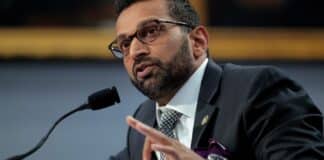
Michael Tubbs, a former Democratic mayor and current leader of the advocacy group Mayors for a Guaranteed Income, is renewing calls for the federal government to provide Americans with direct cash payments to help address rising living costs.
Tubbs argues that many working families are struggling to keep up with everyday expenses such as rent, childcare, and food. He says government-backed guaranteed income programs could provide financial relief by putting money directly into the hands of citizens.
Speaking about the issue, Tubbs said the United States has become increasingly difficult for working families to afford.
“We have wars in Iran, regime change in Venezuela, and people are also dealing with healthcare issues and other economic pressures,” Tubbs said. “People feel like the social safety net is fraying and that wealth is being taken from the many and concentrated among the few.”
Tubbs argues that government policy has contributed to rising costs and believes government programs should help address those problems.
He first gained national attention for championing a guaranteed income program during his tenure as mayor of Stockton, California. In 2017, Stockton became the first city in the United States to launch a pilot program providing selected residents with monthly payments.
The program distributed $500 per month to a group of low-income residents in an effort to study whether direct cash assistance could improve financial stability.
At the time, Tubbs framed the payments as a way to help struggling families regain stability rather than as a traditional welfare program.
“This is not a handout, it’s a hand up,” Tubbs said when announcing the initiative.
The Stockton program was funded by private donors, including support from the Economic Security Project, an organization backed by Facebook co-founder Chris Hughes and other advocates of guaranteed income policies.
Stockton had previously faced significant financial struggles, declaring bankruptcy in 2012 following years of rising pension obligations, economic challenges, and heavy municipal spending. Although the city emerged from bankruptcy in 2015 and has since stabilized financially, poverty and economic hardship remain persistent issues for many residents.
Supporters of guaranteed income programs argue that direct payments provide a safety net for individuals facing economic uncertainty.
However, critics say such programs risk discouraging work and creating long-term dependence on government assistance.
The Foundation for Government Accountability warned in a 2024 report that universal basic income initiatives could weaken workforce participation and impose significant costs on taxpayers.
The report also noted that more than 70 guaranteed income pilot programs have been launched across the United States, with many funded through public or philanthropic resources.
Debates over affordability and government assistance programs have intensified amid broader economic concerns, including inflation and rising housing costs.
Former President Donald Trump has criticized Democratic messaging on affordability, arguing that policies enacted during the previous administration contributed to higher prices for consumers.
Meanwhile, economists have also raised concerns about how global events could affect the U.S. economy. Some analysts warn that prolonged geopolitical conflicts could increase economic pressures by disrupting markets, diverting resources, and slowing investment.
As the debate continues, guaranteed income proposals remain a controversial policy idea, drawing both enthusiastic support from advocates and strong opposition from critics who question their long-term economic impact.